
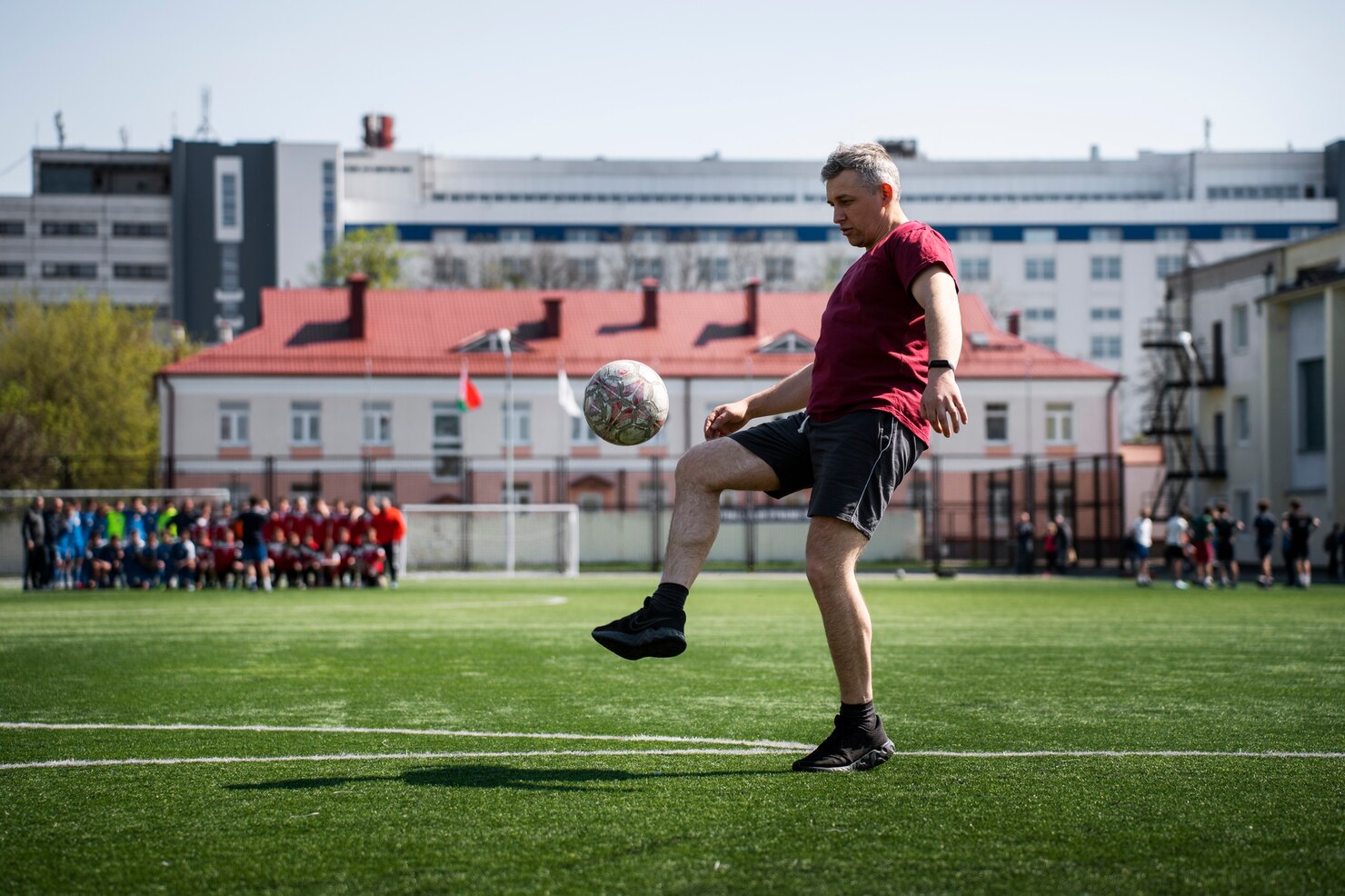
Football
Builds aerobic power, acceleration, and coordination. Ideal for team players who want structured conditioning without losing ball skills.
Find trainerEach discipline has its own demands and benefits. Use Find trainer to open the catalogue filtered for that sport.
Builds aerobic power, acceleration, and coordination. Ideal for team players who want structured conditioning without losing ball skills.
Find trainer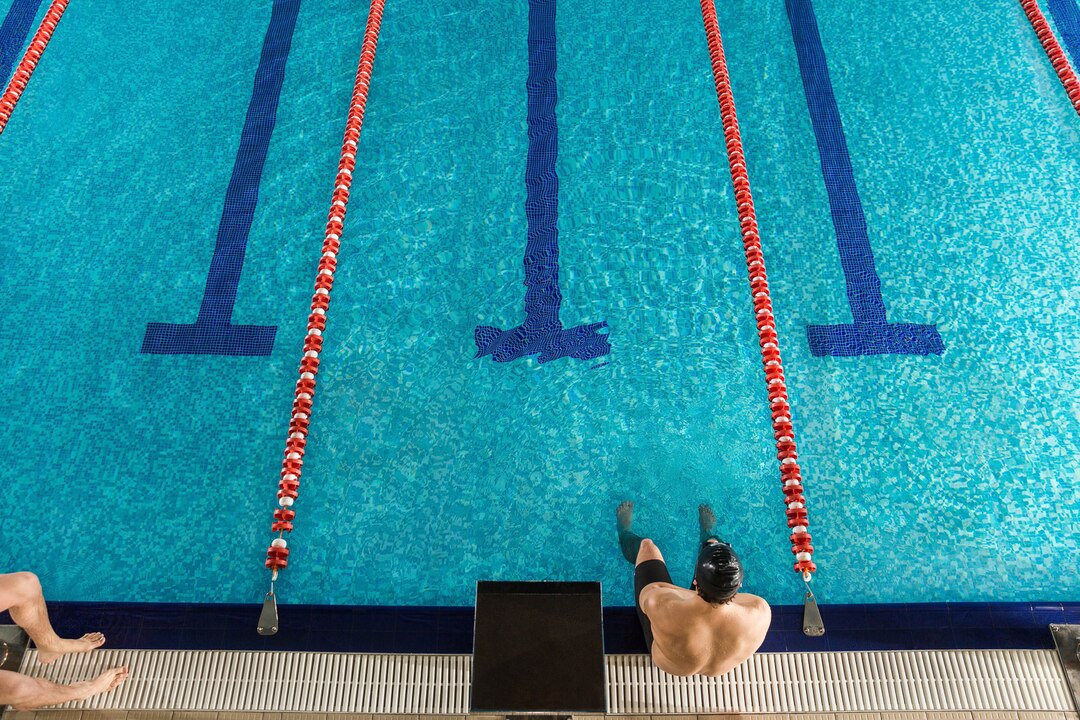
Low-impact full-body cardio, joint-friendly, excellent for lung capacity and posture. Great for rehab return-to-fitness pathways.
Find trainer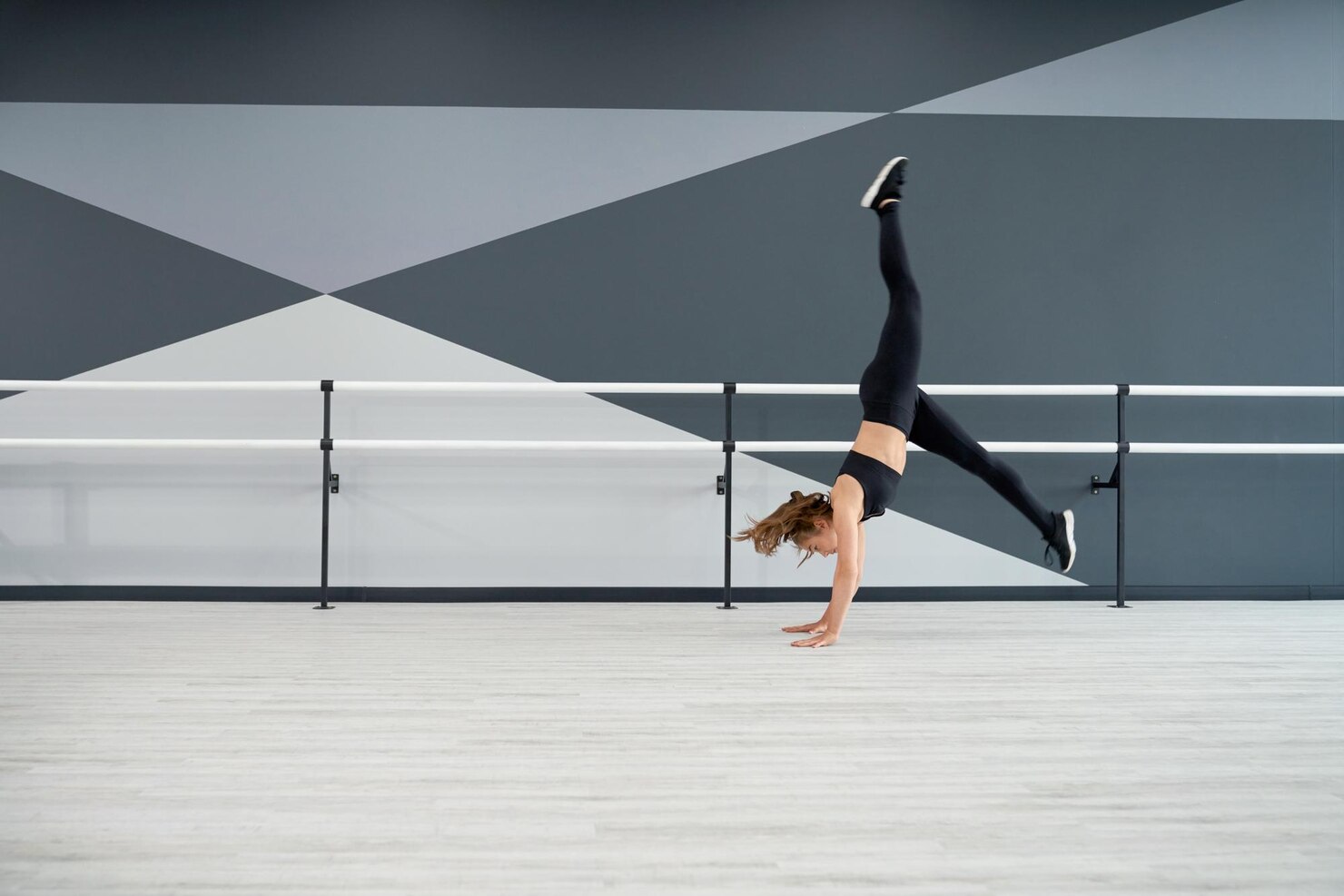
Develops relative strength, mobility, and body awareness. Supports other sports through core stability and landing mechanics.
Find trainer
Repeated sprint ability, stick skills under fatigue, and robust hamstrings. Training balances pitch work with gym strength.
Find trainer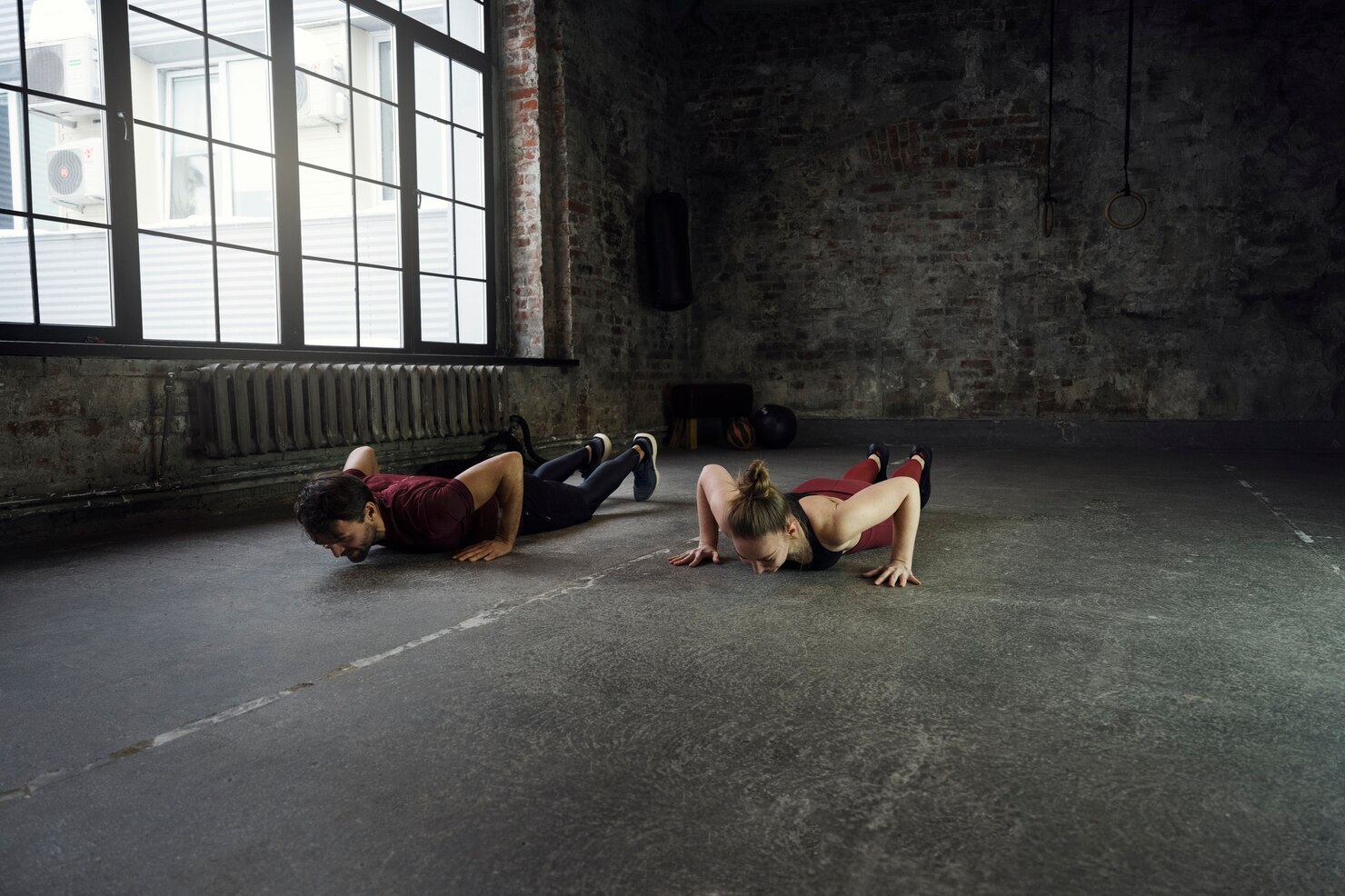
Grip strength, isometric control, and weight-category management. Coaching emphasises safe cutting and peaking for competition.
Find trainer
Lateral speed, rotator cuff resilience, and repeat-effort endurance. Programmes blend on-court drills with strength work.
Find trainer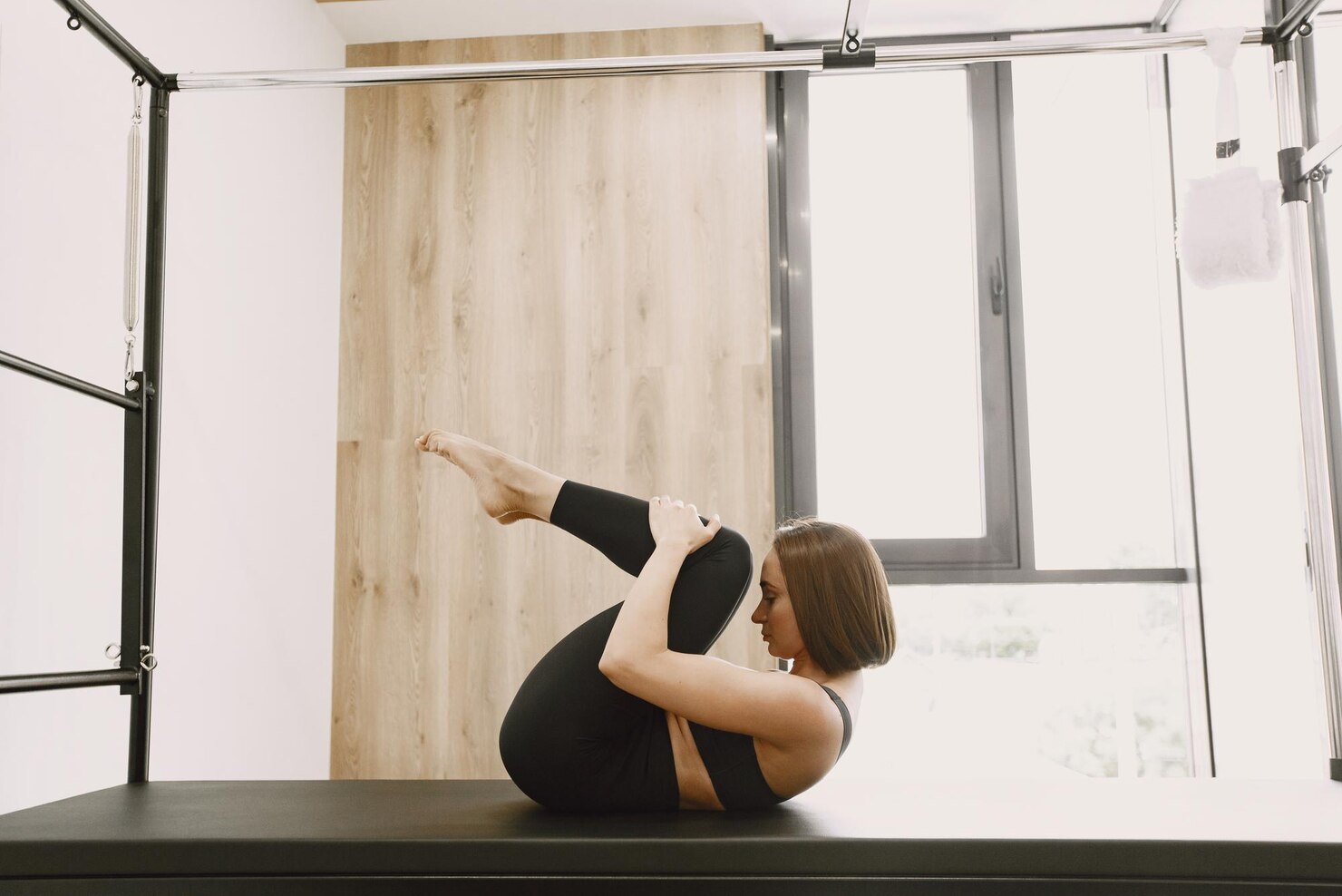
Posture, controlled mobility, and graceful strength. Popular as cross-training for desk workers and young performers.
Find trainer
Strategic thinking, stress tolerance, and focus. Specialist coaches blend cognitive training with movement breaks for wellbeing.
Find trainer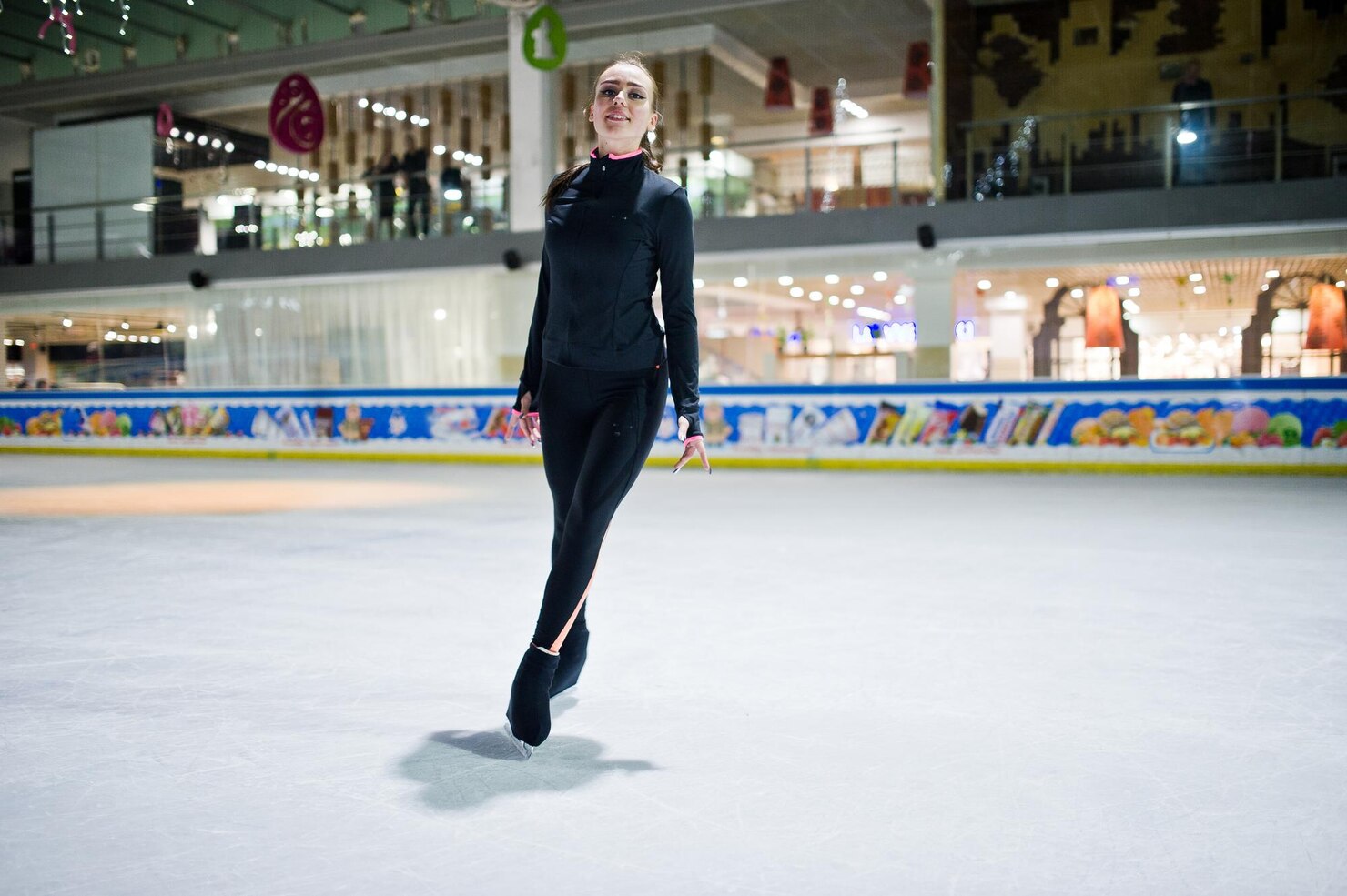
Balance, explosive legs, and artistry. Off-ice programmes protect knees and hips while building jump height.
Find trainer
Cardiovascular fitness, shoulder endurance, and confidence. Technical coaching reduces injury risk versus random bag work.
Find trainer
Hybrid conditioning across striking and grappling energy systems. Requires coaches who understand periodisation and recovery.
Find trainerStart with outcomes: fat loss, performance, social connection, or skill mastery. Match the sport’s typical demands to your lifestyle — pool access, equipment, and travel time all matter.
Next, shortlist trainers with verified credentials in that discipline. Book trials with two professionals if possible; compare communication style and how well they listen to injury history.
Finally, agree how progress will be measured (performance tests, technique video, wellbeing check-ins). Clear metrics reduce wasted spend and keep motivation high.
Pavilion at 129 Grand Drive, Raynes Park, London SW20 9LY, United Kingdom